Finding Purpose
“I’ve been working with different organizations, spreading the message, that living is tough, but it’s very beautiful. ”
While awaiting Gabbi’s arrival, her parents decided to move forward with testing for classical homocystinuria (HCU) based on the health history of their two older children. Through amniocentesis, Gabbi was diagnosed with classical HCU before she was born. Her older sister was found to be a carrier, while her older brother, Ben, had been diagnosed with classical HCU through newborn screening.
“Because of what Ben went through, my parents were able to approach my childhood and manage my classical HCU differently. He really paved the way for me.”
Having someone who truly understood what she was experiencing made all the difference. “It was really nice having my brother at home because there was someone like me.”
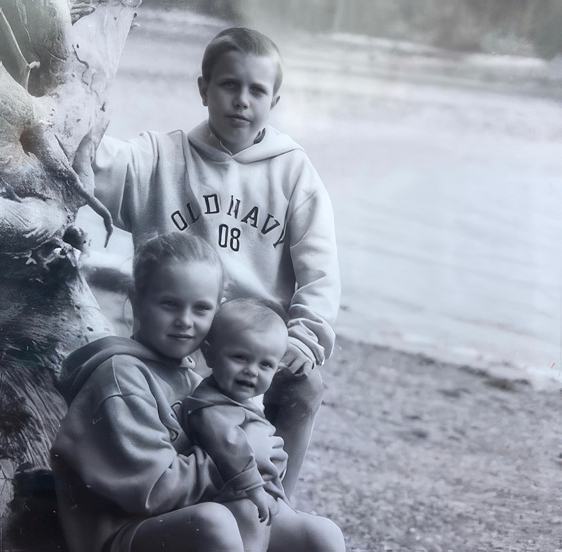

Even with Ben helping normalize life with classical HCU, everyday moments reminded Gabbi that her experience was different. Birthday parties, school lunches, and visits to friends’ homes required careful planning because many of the foods other children enjoyed weren’t options for her.
“There was always this difference that I felt growing up.”
Although she didn’t yet fully understand the seriousness of classical HCU as a child, she always knew her life required extra caution and planning.
To help Gabbi become her own advocate, her parents made it a priority to teach her about her condition from an early age. One family conversation about classical HCU became known as the “Lego Talk,” where her dad used building blocks to explain how her body processed protein differently. Those lessons gave Gabbi the confidence to understand her condition and communicate.
“They really equipped us to be able to vocalize our needs.”
As she grew older, advocating for herself became more complicated, especially as a teenager when all Gabbi wanted was to fit in even if it meant making difficult decisions. “I was eating foods that I probably shouldn’t have because I just wanted to fit in and not be an inconvenience to someone.” Looking back, she realizes how carefully she was balancing her health while trying to blend in with those around her.
Today, Gabbi is intentional about when and how she shares her diagnosis. “I don’t want that to be the first thing people know about me. I want them to know my personality, who I am and how hard a worker I am.”
As an adult, managing classical HCU has become less visible to others but no less demanding for Gabbi. Whether she’s packing her own lunch for work, planning weeks in advance for a vacation, or prepping days before for dinner with friends, planning every decision requires careful thought and work many wouldn’t realize.
While coworkers and friends may only see someone bringing their own lunch or checking a restaurant menu ahead of time, Gabbi knows those small decisions are part of a much bigger picture.
“Many people don’t have to think about the things that I have to think about. I’m preparing for that dinner or vacation sometimes weeks in advance.” Although the constant planning can be exhausting, Gabbi continues to find ways to embrace life’s experiences while managing her condition.


Rather than letting the challenges of her condition define her, Gabbi has chosen to help others navigate them. As a teenager, Gabbi became involved with HCU Network America and now mentors children and parents, participates in educational programs throughout the year, and shares her experiences to help others with classical HCU feel less alone. Having shared the experience of growing up with classical HCU alongside her older sibling, she now dedicates herself to supporting the next generation living with the condition.
“I found this passion for being a person that these parents and young children can look up to. I’m in a very interesting position where I was diagnosed before birth, and I am a very real representation of what growing up with classical HCU looks like.”
Advocacy also answered a question she had wrestled with for years. As a teenager, she often wondered, “Why me?” Through supporting others and sharing her story, that question slowly changed.
“When I started getting into advocacy, I was just like, ‘Oh, this is why. That’s my purpose.’”
Whether she’s speaking at conferences, mentoring families, or advocating on behalf of the rare disease community, Gabbi hopes her story offers reassurance that living with classical HCU can be challenging—but it can also be full of purpose, connection, and hope.